
Lifestyle
5 min
Why Leasing Parklets Makes Sense for Municipalities and Businesses
Parklet leasing makes vibrant public spaces affordable and accessible for businesses and communities.
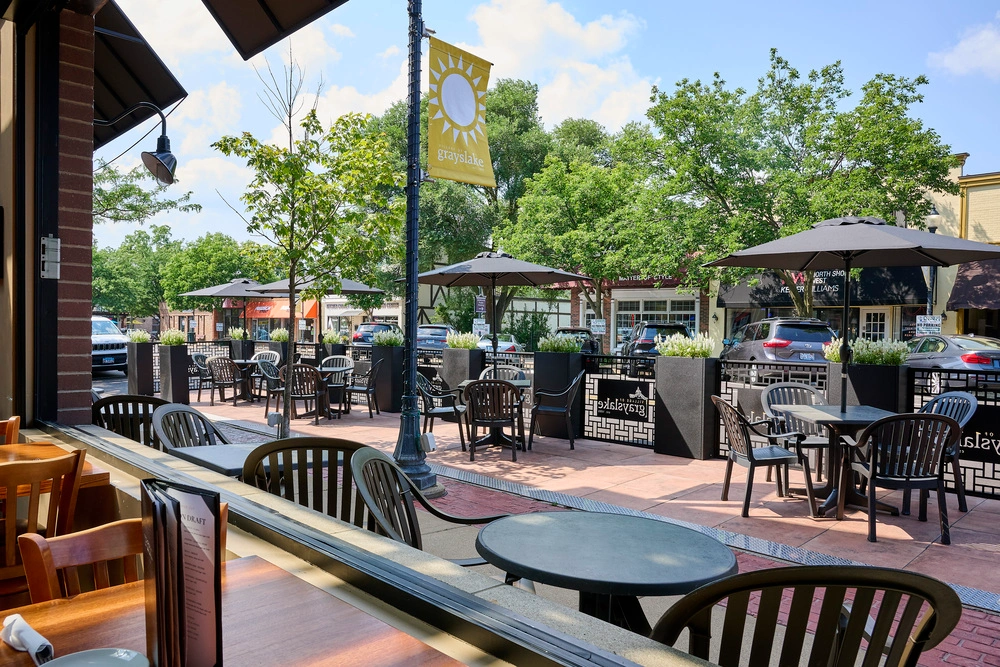

Parklets bring vibrancy to neighborhoods
Parklets are a proven way to make downtowns and neighborhood streets more vibrant, pedestrian-friendly, and economically active. By turning a few parking spaces into welcoming outdoor seating or gathering areas, cities can boost foot traffic, help small businesses thrive, and create the kind of lively public spaces that people want to visit again and again.
But here’s the challenge: high-quality parklets are an investment. Well-designed, durable parklets that add civic pride and match the look of a downtown streetscape cost money. And for many restaurants or shops — especially those operating on thin margins — purchasing their own parklet just isn’t realistic.
So, how do communities solve this problem? One smart answer: municipality-run parklet leasing programs.
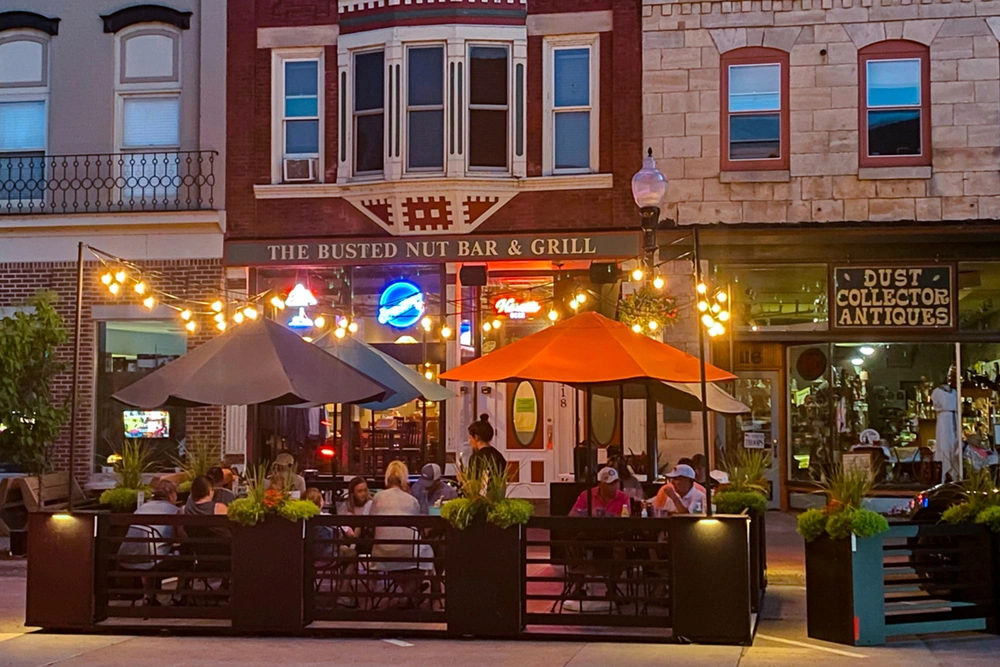
How do parklet leasing programs work?
It’s simple: the municipality (or a downtown/neighborhood association) purchases one or more parklets as community assets. Instead of one business footing the bill, the city leases the parklet to a restaurant, café, or shop for a set period of time — at a fixed, affordable cost.
This approach spreads out the city’s initial investment, helps offset parking revenue loss, and makes sure the benefits of parklets don’t just go to one lucky business. Over time, multiple businesses and neighborhoods get to share in the vibrancy and economic lift that parklets bring.
What are the benefits of leasing parklets instead of buying them?
When a city or downtown association purchases parklets and then leases them to local businesses, everyone wins. Here’s why:
1. How leasing parklets helps municipalities
- Municipalities want to boost vibrancy and support local businesses — parklets do both.
- Leasing offsets the city’s initial purchase costs, making parklets easier to justify during budget discussions.
- Recouping some of the cost also helps balance out any lost parking meter revenue.
- Cities don’t need to wait on grant funding; instead, they can recover their investment steadily over time. It’s also worth noting that when businesses are invested, they have skin in the game and more inclined to take care of the community resource.
2. Do leased parklets really help local businesses?
Absolutely. For small and medium-sized businesses, especially restaurants, upfront costs are often the biggest barrier. Parklet Leasing solves that:
- Instead of a major purchase, a restaurant pays a manageable yearly, quarterly, monthly or seasonal lease.
- Even one table, sat several times, on a single busy evening can cover that lease payment.
- Businesses can add outdoor seating and revenue without straining payroll or other expenses.
3. How do parklet leasing programs work ensure fairness and flexibility?
Parklet leasing ensures fairness and flexibility in the three main ways:
- Municipalities can rotate parklets between different businesses or neighborhoods seasonally or annually.
- This prevents any perception of favoritism and spreads the benefits across the community.
- Parklets can be placed where they’re needed most — in front of a popular restaurant this summer, then in front of a café or retail shop the next.

Why are modular parklets better for leasing programs?
Not all parklets are created equal. For leasing to work, they need to be durable, movable, and easy to store. That’s where StreetDeck Parklets stand out.
- Affordable investment: StreetDeck parklets are ready-made and don’t require custom design fees. Cities can even customize panels with logos for branding.
- Modular design: They’re engineered to be easy to assemble, disassemble, and move. For short relocations, you can unbolt the planters and fencing, remove the floor tiles, shift the frame and pedestals, and reinstall at the new location.
- Seasonal storage: When not in use, StreetDeck parklets can be neatly packed on pallets and stored for the off-season.
What should cities consider before starting a parklet leasing program?
Before launching a leasing program, municipalities should think through:
- Community interest: Are local businesses enthusiastic about the idea?
- Parklet size: How many parking spaces can you dedicate, and what’s the right scale for your streets?
- Stakeholder buy-in: Get input from city departments, downtown associations, and local businesses to create shared goals.
- Maintenance responsibility: While StreetDeck parklets require little upkeep, there should be a plan for who handles daily cleaning and plant care — city staff, the BID, or the businesses themselves.
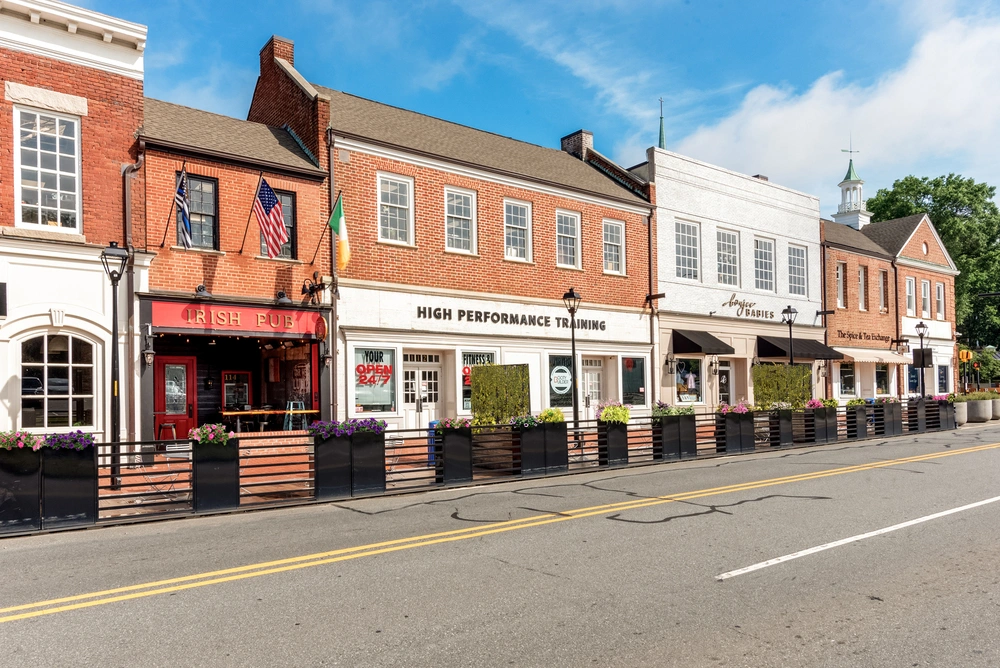
The bottom line: Parklet leasing makes parklets accessible, sustainable, and fair
For municipalities, leasing programs provide a smart path to recouping costs while still delivering the vibrancy and economic boost that parklets bring. For businesses, leasing keeps costs manageable and creates more seating, more customers, and more revenue. And for the community as a whole, parklets mean more life and activity on the street.
With their affordable, modular, and flexible design, StreetDeck Parklets are built to support exactly this kind of program. Leasing makes it possible for more people to enjoy the benefits of parklets — and that’s a win for everyone.
.jpg)
.webp)

